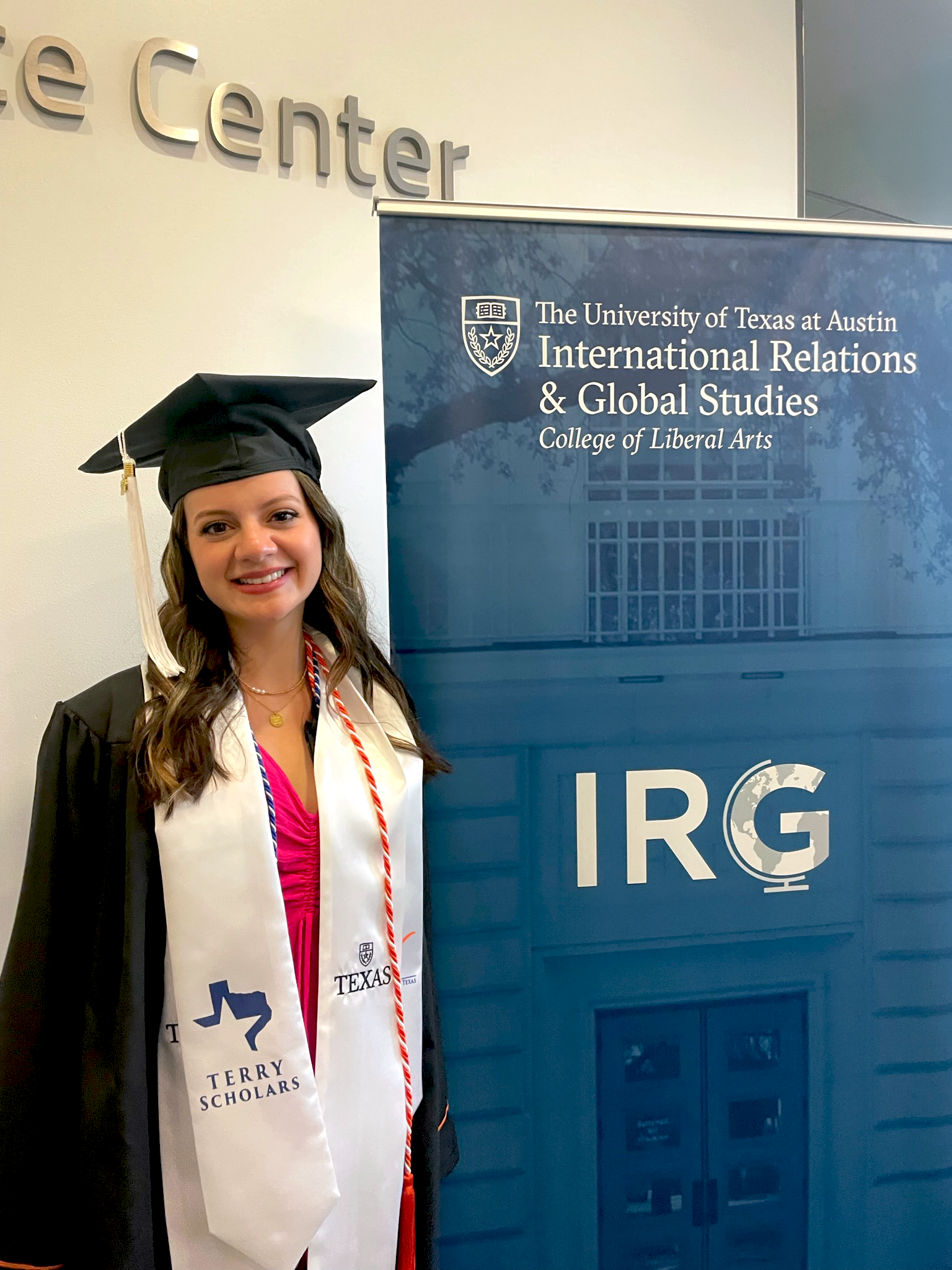



Which universities are associated with the Terry Foundation Scholarship? Is it transferable?
Terry Foundation Scholarships can be used presently at Texas A&M University at College Station, the University of Texas at Austin, the University of Houston main campus, Texas State University-San Marcos, the University of Texas at San Antonio, the University of Texas at Dallas, or the University of North Texas. Students receiving scholarships from the Foundation (known as “Terry Scholars”) may use their scholarships at any of the participating institutions.
In general, the Terry Scholarship is portable and a Terry Scholar may attend or transfer at any time to another of the participating universities. However, the exception to this general portability rule applies only to freshmen Scholars at the University of Houston, Texas State University–San Marcos, the University of Texas at San Antonio, the University of Texas at Dallas, and the University of North Texas. During the initial phases of establishing the Foundation program at these five universities, freshman Scholars at these universities will not be permitted to transfer during their first year to any of the other participating universities.
How are Terry Scholars selected and what are the criteria?
Terry Scholars are selected based on three criteria: (1) leadership potential and character; (2) scholastic record and ability; and (3) financial need. Each of these criteria is weighed equally and independently.
The first step in each year’s selection process occurs each spring when the participating universities identify likely candidates for Terry Scholarships from among the next fall’s incoming freshmen class. These students must have been accepted to attend the university and must meet the state’s requirements to qualify for in-state tuition. Students selected must also be U.S. citizens or permanent residents at the time of their selection.
These students are then asked to submit a written application that includes letters of recommendation and essays, as well as test results and background information. They are reviewed first by a screening committee at each university, who nominate to the Foundation candidates meeting the criteria for Terry Scholarships.
The applications of students nominated
by the universities are then reviewed
by the Foundation's Board of Directors.
From these applicants, a number of finalists
are invited for interviews at various
locations around the state. The students
are interviewed by panels consisting
of Directors of the Foundation, Terry
Scholar alumni, and current Terry Scholars.
From the students interviewed, the Directors
select the scholarship recipients.
Does the Terry Foundation accept applications directly from high school students?
No. The Foundation considers only students who are nominated by the universities associated with the program.
Can I use the Terry Scholarship to attend a Texas A&M University other than College Station, a University of Texas campus other than Austin, Dallas, and San Antonio, a Texas State University System campus other than San Marcos, or a University of Houston or a University of North Texas campus other than the main campus?
No. Unfortunately,
this is not presently permitted. Because
of the regular functions scheduled
for Terry Scholars on the campuses,
it is not feasible at this time for
Scholars to attend other campuses.
Is the interview required
in order to receive a Terry Scholarship?
Yes. Terry Scholarships
are not awarded without a satisfactory
interview. The Foundation pays expenses
incurred by prospective Scholars who
are invited to interview.
How soon after the interviews are the new Terry Scholars announced?
All interviews for Terry Scholarships are held during April of each year. Separate interview panels work simultaneously in several cities across the State of Texas. During the week following the interviews, the final selections are made and the new Terry Scholars for that fall's freshman class are notified by mail within approximately three weeks of the interview.
What period does the Terry Scholarship cover and what are the criteria for retaining it?
The Terry Scholarship is renewable annually at the discretion of the Board of Directors. The renewal is automatic unless you are notified to the contrary. A Terry Foundation scholarship covers up to eight full semesters of undergraduate education.
In order to keep the Terry Scholarship in effect, and in addition to any other requirements that the university may impose, a Scholar must (1) maintain at least a cumulative 2.5 grade point average, (2) remain unmarried and without children, (3) write an acceptable annual self-evaluation letter, (4) attend the functions sponsored by The Terry Foundation, and (5) comply with the rules prescribed from time to time by the university and the Foundation's Board of Directors. If a Scholar's grade point average drops below the required minimum, the student will be placed on probation for one additional semester and given the opportunity to bring the grade point average back into compliance. If at the end of the probationary period the cumulative grade point average is still below 2.5, the Scholar will be terminated from the program.
In addition, there is a specific minimum grade point average requirement applicable to each semester's current-semester grades. If a Scholar receives a grade point average in any semester that is less than 2.0, then that student's scholarship is subject to termination at the Foundation's discretion.
In order to appeal, the student must (1) notify the Foundation immediately of the student's intent to appeal, (2) meet with a counselor or counselors designated by the Foundation, and (3) furnish the Foundation with a detailed written statement describing the student's academic problems and the student's plan to correct these problems. The student will then be notified in writing whether the Foundation has granted or denied the appeal and, if the appeal is granted, any conditions imposed by the Foundation for continuing the scholarship.
How is the amount of the Terry Scholarship determined?
Taking into account
other scholarships that the student
may receive and the student's and parents'
financial resources, the Foundation
provides sufficient assistance to cover
tuition, books, fees, and reasonable
living expenses on campus. The actual specific amount of the stipend will vary for each Scholar, depending on the other scholarship awards and the ability of the Scholar's family to contribute to the cost of college.
The Foundation
encourages Scholars to apply for any
other financial assistance for which
they may be qualified so that the Foundation's
financial resources may be extended
to help as many students as possible.
What about Pell Grants?
Pell Grants are federal grants of financial aid to college students whose family income falls below a certain level. Terry Scholar applicants are encouraged to apply for a Pell Grant if qualified. Receiving a Pell Grant does not disqualify an applicant from being awarded a Terry Scholarship.
How are scholarship funds distributed?
Each semester, the
Foundation transmits directly to the
financial aid office of each university
the amount awarded each Scholar for
that semester. The university will disburse
the funds in payment of tuition, fees,
and housing (for Scholars living on
campus). Any excess is paid to the Scholar
in a lump sum for use in defraying educational
expenses for that semester. If a Scholar
withdraws from school and receives a
refund or otherwise does not use the
money for the purposes intended, the
remainder must be refunded by the Scholar
to the Foundation.
Does
the Terry Scholarship require that a
Scholar live on campus?
Freshmen are required
to live on campus. After their first
year, Scholars are free to live off
campus if they wish to do so. However,
living off campus can be substantially
more expensive and the scholarship amount
set by the Foundation is based on the
estimated cost of living on campus.
What other requirements are applicable to Terry Scholars?
At the end of each
year, each Terry Scholar is required
to submit a self-evaluation letter to
the Foundation's Board of Directors.
This letter should discuss how well
the student has achieved the educational,
leadership, and other individual goals
set for the previous year, establish
goals for the coming year, and describe
the specific steps that the student
intends to take to meet those goals.
These letters are not graded, but they
are carefully read by the Directors.
The Board will counsel with those whose
letters are considered unsatisfactory.
Former Terry Scholars who have been
through the program have found these
letters to be a valuable exercise in
self-evaluation.
What
functions are Scholars required to attend?
The Foundation hosts
three events each year which Scholars
are required to attend. At the beginning
of each academic year, the Foundation
holds an orientation session at each
of the universities. At these programs,
the upperclassmen have a chance to
meet the new Terry Scholars and give
practical suggestions on such things
as particular classes and professors
that inspired them and the value of
different leadership opportunities on
campus. The freshmen also receive valuable
information about the nature of the
Terry program and are told what to expect.
At the same meeting, present and former
students, as well as educational professionals,
discuss development of effective study
skills to help a student make the most
of the educational opportunity offered
by the Foundation.
In addition to these
programs, the Foundation sponsors a
dinner in the fall at each university
that is attended by the Directors and
special invited guests. In the spring,
usually on the last Sunday in April,
all of the Scholars from each of the
universities travel by bus to relax
and visit in a more informal setting
at a picnic held in Round Top, Texas,
at the Winedale Historical Center, where
the accomplishments of the graduating
seniors are recognized.
Can
the Terry Scholarship be suspended while
a Scholar takes time off?
Once a Terry Scholar has entered college,
it is assumed that they will attend
each term/semester, except summers,
until completion of degree. If a Scholar
is absent from school for a school-approved
activity such as a work study program,
study abroad, or internship program
that does not last longer than one year,
the scholarship will be available for
the full remaining term, not counting
the time off against the scholarship,
when the student returns to school.
If a student takes time off (other than
summers) for personal reasons, the scholarship
is terminated and the Foundation cannot
guarantee that the scholarship will
be available if and when the student
returns to school.
If extraordinary circumstances
makes it necessary for a Scholar to
leave college for a period of time,
the Scholar may request a leave of absence
from the program. The request must be
made in writing to the Foundation. If
granted, the Scholar will be able to
resume receiving the Terry Scholar award
upon return to school.
The written request
should include the reasons why the Scholar
needs to leave school, the estimated
length of absence, and the expected
date of return. If the request is granted,
the
Scholar will receive a written reply
with instructions as to how to reinstate
the award upon return to campus.
Why is the Terry Scholarship adjusted up or down for other scholarships received?
From time to time, the Terry Foundation Board may adjust the amount of a Scholar’s stipend, based on reviews of the level of each student’s financial need. Among the factors taken into account are the ever-increasing cost of education and changes in a student’s financial resources. In addition, one of the other items reviewed is additional scholarships received or other scholarships that may have expired or terminated. When the Terry stipend is increased or decreased based on these factors, it is not to penalize Scholars who have received other awards or to reward students for having lost other scholarships: the adjustment in the Terry stipend is based on changes in the level of financial need. The decision to increase or decrease a scholarship is always a direct reflection of financial need.
The Terry Scholarship is not designed to be simply a reward to a good student. If that were the only goal, students with the highest grades and test scores could all be given the same amount. There are scholarships like that, but the Terry Scholarship is not one of them.
The goal of the Terry Scholarship program is to identify students with financial need, evaluate that need through an application and a personal interview, and then to fill (but not overfill) that financial need. To that end, the Terry Scholarship, like almost all other large need-based programs, calculates the amount of a student’s scholarship taking into account other available financial aid from private sources as well as the government. Every student who accepts a Terry Scholarship signs a letter acknowledging that the scholarship is based on financial need and agrees to provide information on these other scholarships to help evaluate the level of that need.
How does a Terry Scholarship differ from other scholarships?
Unlike many scholarship programs, the selection as a Terry Scholar is not simply based on financial need, test scores, or grade point average. Instead, Terry Scholars are chosen because they exhibit a well-rounded personality, grounded in a desire to succeed, and a demonstrated history of community leadership.
The Terry Foundation
program does not consist merely of issuing
checks once a semester. The Foundation
stays in close contact with each Scholar
and expects the Scholars to assist each
other whenever they are able to do so.
If a Scholar's grades slip unexpectedly,
or there is an indication of a problem,
it is likely that a student will be
contacted directly by Mr. Terry or one
of the other Directors to offer advice
and encouragement.
Mr. and Mrs. Terry and the other
Directors take great pride in the accomplishments
of all of the scholarship recipients
and care very much about the Scholars
as people. Terry Scholars can be confident
that the Foundation will be there to
help them to help themselves.